Europe’s Electric Vehicle Ambitions Face Harsh Realities
 admin
**Europe’s Push for Electrification Faces Hard Realities**
European Union leaders continue to push for aggressive electrification to cut reliance on imported fossil fuels. However, achieving these goals presents significant real-world challenges. Despite heavily promoting an electrified economy, the EU still relies on hydrocarbons for over 70% of its total final energy consumption. Meanwhile, recent sharp price spikes demonstrate the vulnerabilities of relying heavily on weather-dependent energy sources.
### High Ambitions for 2040
The European Commission launched an ambitious strategy to double the share of electricity in final energy consumption, targetting a rise from 23% to 46% by 2040. The vision centers on establishing Europe as a leading “electro-continent.” Under this framework, domestic power generation—primarily from solar and wind—is intended to replace energy imported from volatile or hostile foreign markets.
Advocates at international forums, including COP events, emphasize that transitioning to heat pumps, electric vehicles, and renewable power builds long-term energy security alongside emissions reductions.
### The Intermittency Challenge and Price Volatility
Despite the theoretical benefits, recent events highlight the operational risks of relying on weather-dependent generation. Peak evening wholesale electricity prices in Europe recently surged past €600 per MWh during a regional “wind drought.” Still, cloudy weather across Central and Northwestern Europe drastically reduced output from wind turbines and solar panels.
When renewable output plummets during seasonal dark doldrums, power grids are forced to rely on expensive fossil-fuel generation or energy imports from neighboring countries with nuclear power. This dynamic directly contradicts promises that a rapid green transition will yield cheaper and more reliable power.
### Financial Constraints and Winter Storage Risks
Translating electrification goals into functional infrastructure requires massive capital investments. Official estimates suggest that necessary grid upgrades alone will cost over €500 billion by 2030. Funding these upgrades poses a major political and economic hurdle, as passing these costs to consumers risks further driving up electricity bills.
Compounding these challenges is the immediate energy supply outlook. The EU enters the cold season with natural gas storage levels at record lows, raising concerns that reserves could reach critical thresholds before winter ends.
### Reevaluating Energy Strategy
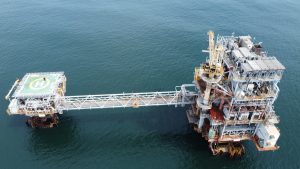
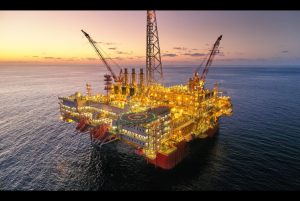
While electrifying to secure energy independence remains a logical goal, relying almost exclusively on wind and solar presents clear operational limitations. In response to these supply concerns, some European nations are rethinking traditional energy options. For instance, Germany recently authorized natural gas drilling in its North Sea territories, signaling a pragmatic shift toward utilizing domestic resources to stabilize energy supplies.