Venezuela Projects $76B in Energy Investments Through 2029
 admin
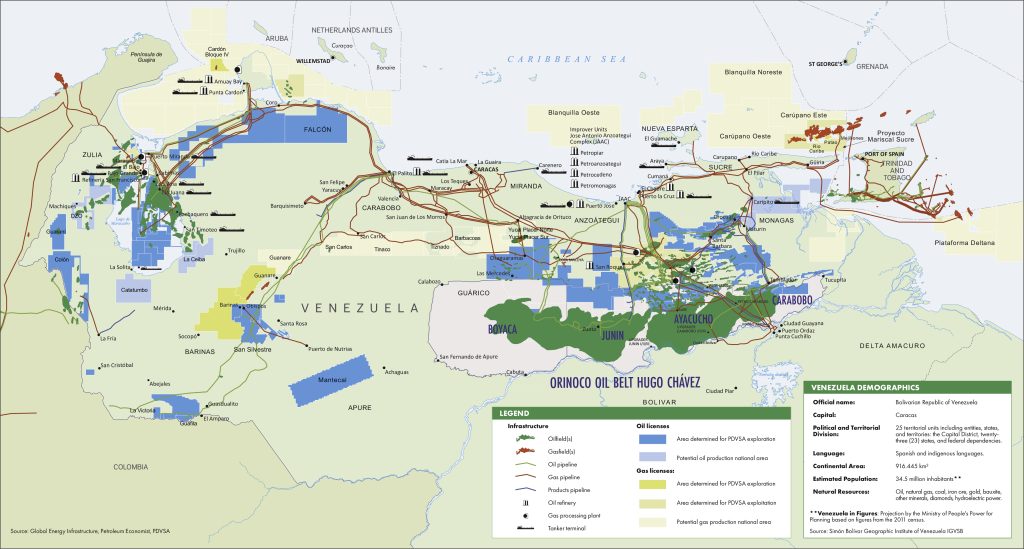

Venezuela is projecting nearly $76 billion in investments for its energy industry over the coming five years, according to Acting President Delcy Rodríguez, as part of a strategic push to attract private investment and expand energy output.
Speaking at the conclusion of an energy summit in Maracaibo—the capital of the oil-heavy Zulia state—Rodríguez shared these projections with an audience of more than 150 local and global corporate representatives gathered to explore production recovery and commercial opportunities.
According to the acting president, the administration has already finalized 61 deals under an updated hydrocarbons policy framework and is actively working on 44 additional contracts. She noted these initiatives aim to merge international capital with national labor and domestic resources.
She added that the expected financial inflows are calculated to support over 324,000 direct, indirect, and induced jobs nationwide.
The figures underline Venezuela’s massive ambitions to revitalize an energy sector operating far under its peak historical levels, despite boasting the largest proven crude reserves on the planet. Translating these prospective deals into actual output will demand sustained long-term drilling and extensive rehabilitation of dilapidated production facilities, electrical networks, and supply chains, alongside overcoming investor hesitation stemming from past asset seizures and regulatory instability.
This capital campaign aligns closely with broader initiatives involving Washington to revive the nation’s energy sector. In August, U.S. officials reached a deal with North American Blue Energy Partners involving 17 oil prospects and up to $100 billion in potential commitments, with the firm aiming to scale daily production from 200,000 barrels to 500,000 barrels by late 2028.
Additionally, Rodríguez stated that revitalizing output in Zulia could ultimately transform the region into a manufacturer of liquefied petroleum gas, catering first to internal demand before tapping foreign markets.
These goals emphasize the steep road ahead. Chevron Corp., which recently secured broader development privileges in the Orinoco Belt and refreshed its joint-venture frameworks, noted in September that while the revised terms facilitate fresh funding, restoring the industry will require a long-term operational timeline.
Chevron stressed that sustained growth relies heavily on ongoing policy adjustments and joint public-private efforts to rebuild foundational infrastructure.
Furthermore, Venezuela continues to grapple with severe operational headwinds, including chronic power outages, decaying field machinery, limited technical services, and a deficit of skilled labor—factors that threaten to delay progress on launching new production projects.