Hurricane Isaias Threatens Gulf Oil Production, Forcing Widespread Shutdowns
 admin
admin 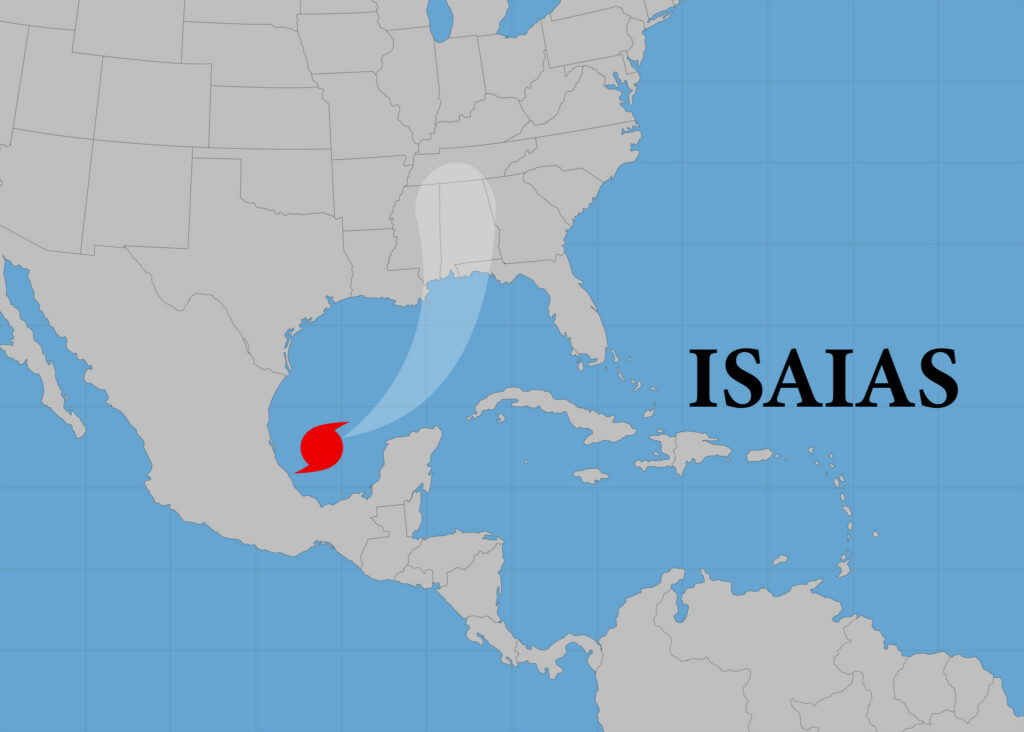
(By Oil & Gas 360) – As Hurricane Isaias advances toward the Gulf Coast, offshore oil and natural gas operations in the United States are facing severe disruptions. Energy companies are evacuating workers, halting production, and securing vital infrastructure against the threat of extreme weather.

Data from the Marine Minerals Administration indicates that as of October 8, nearly 62.9% of offshore oil production and 57.4% of natural gas output in the Gulf had been taken offline. These shut-ins account for approximately 1.28 million barrels of crude oil and 1.13 billion cubic feet of natural gas per day, underlining the immediate pressure on national energy supplies.
The agency noted that personnel have been evacuated from 121 offshore platforms—roughly one-third of all manned facilities in the region. Additionally, multiple drilling rigs have been cleared of crews or relocated out of the hurricane’s anticipated path.
Major industry players, such as BP, Chevron, and Shell, have initiated preventive shutdowns across parts of their offshore networks. These measures aim to protect workers and equipment while minimizing potential environmental and operational hazards.
The timing of these shut-ins is especially critical for global energy markets.
With ongoing geopolitical friction involving Iran already squeezing international supply chains and lowering crude inventories, further outages in the Gulf could heighten market instability—particularly if facility damage delays the restoration of output.
The Gulf of Mexico remains a cornerstone of American energy security, generating roughly 15% of the nation’s total crude oil. Its offshore network feeds a vast system of coastal pipelines, refineries, processing plants, and export hubs along the Gulf Coast.
For investors, the impacts reach beyond temporary drops in output.
Short-term shutdowns can weigh on quarterly production figures, drive up operating expenses, disrupt transport schedules, and reduce cash flow for offshore exploration companies. Prolonged offline periods could also create bottleneck challenges for midstream operators and refiners dependent on steady crude deliveries.
Downstream facilities are equally at risk. Industry analysts estimate that around 500,000 barrels per day of refining capacity lie within the hurricane’s expected path, sparking concerns over supply drops for gasoline, diesel, and other refined fuels.
How long the disruptions last will be the key factor.
Producers typically restore operations quickly once severe weather clears and safety checks confirm that assets are undamaged. However, any structural harm to platforms, subsea pipelines, power lines, or port terminals could prolong recovery timelines and escalate repair costs.
Ultimately, the storm adds another layer of uncertainty to a volatile energy market. Temporary production drops may lend support to crude oil prices, whereas refinery slowdowns could shift regional crude demand and fuel price swings in refined product markets.
Hurricane Isaias serves as a stark reminder of the need for robust infrastructure and operational agility throughout the U.S. energy sector.
As operators prepare to restart their facilities, market observers will closely monitor the speed of output recovery, the severity of any physical damage, and the long-term effects on domestic energy supplies.
Disclaimer
This opinion and insights article is provided for informational purposes only and does not constitute investment, legal, or financial advice. The views expressed are based on publicly available information and market conditions at the time of publication and are subject to change without notice.